Operator manual
Installation, input-power, process, duty-cycle, maintenance and safety limits for the identified machine.
ENGINEERING EVIDENCE
Product names start the conversation. Test conditions, process boundaries and repeatable setup records make the decision useful on a welding floor.
“Define the joint, disclose the operating limits, and give the welder a setup that can be reproduced.”
A machine comparison becomes more precise when rated output is paired with voltage and duty cycle, process capability is paired with polarity, and portability is paired with the available input circuit. The same discipline applies to consumables. A MIG package is not complete until wire diameter, shielding gas, feeder route and gun rating are documented. A TIG package must distinguish AC aluminum work from DC steel and stainless work. A plasma cutter needs an air-supply check alongside its cut-thickness claim.
No single machine setting transfers unchanged across every joint, operator or environment. Arc behavior can shift with cable length, work-lead condition, ambient temperature, gas coverage and material preparation. Catalog values provide a screening envelope; the applicable manual and a representative coupon provide the release evidence. Where a coded procedure governs production, its qualification requirements remain authoritative.
VALIDATION SPACES
The gallery follows the evidence path from controlled electrical checks to a representative weld and documented inspection.
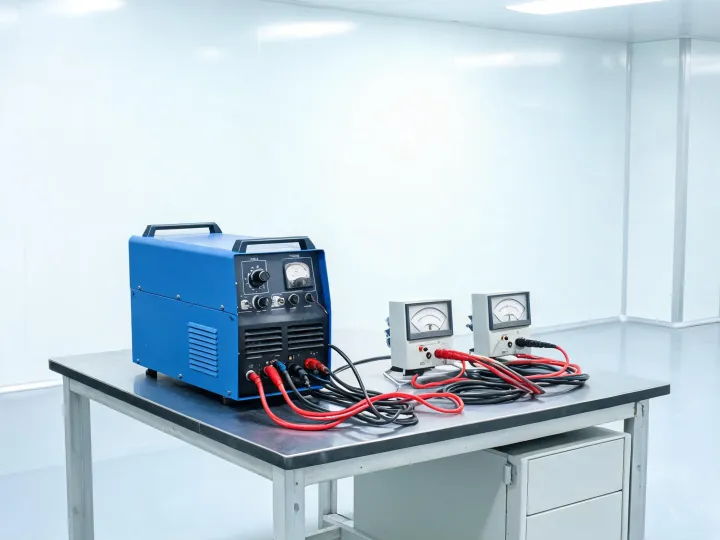
Voltage, phase, protective device, output current and thermal behavior are recorded under a defined operating condition.
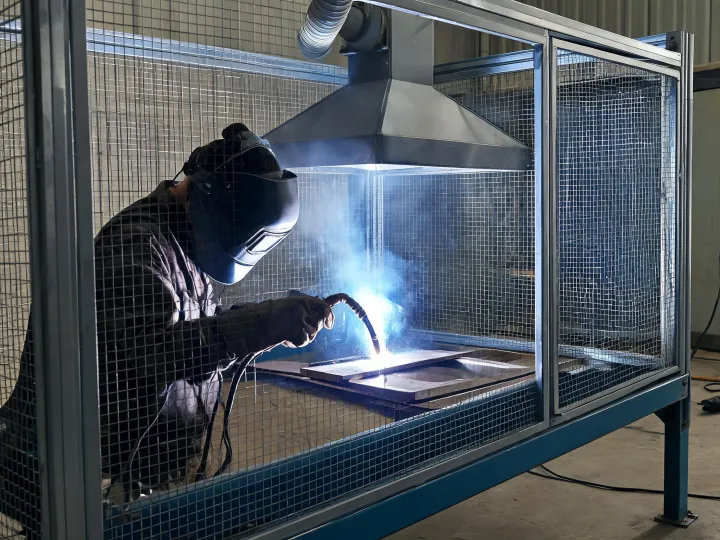
Material, thickness, joint preparation, process settings, gas and consumables are held with the result they produced.
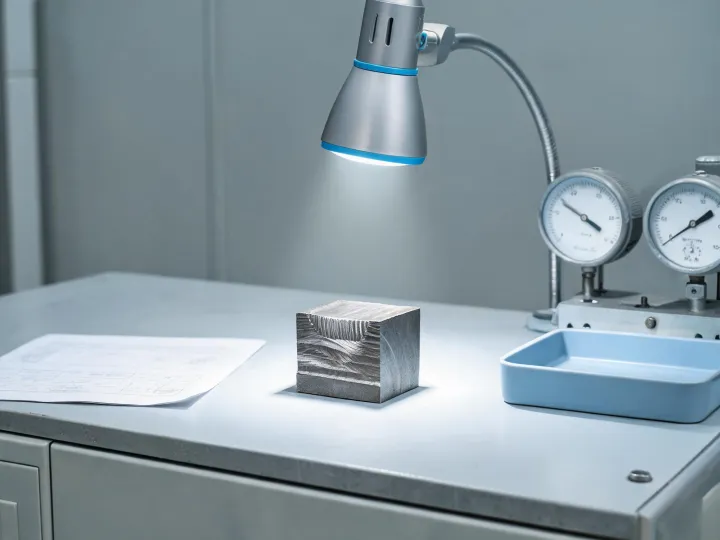
Bead profile, fusion indicators and visible discontinuities are reviewed with the settings and test condition still attached.
DOCUMENT CONTROL
Availability varies by product and region. Confirm the current revision for the exact model and serial range rather than relying on an undated copy.
Installation, input-power, process, duty-cycle, maintenance and safety limits for the identified machine.
Material, joint, consumable, shielding gas and parameter baseline generated from a representative coupon.
Compatible gun, torch, feeder, liner, drive rolls, tips, electrodes, cables and cooling components.
Inspection points for airflow, cables, connections, feeder path and process-specific wear components.
Provide the operating context and ask for the current manual, compatible accessories and validation path for the selected machine class.