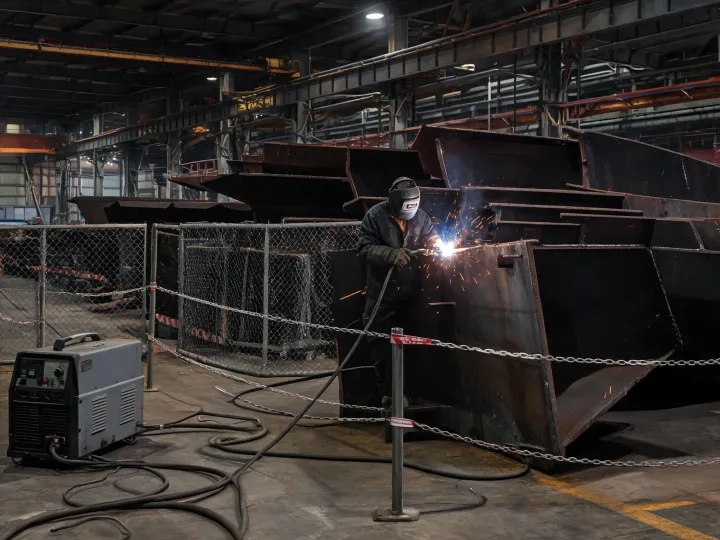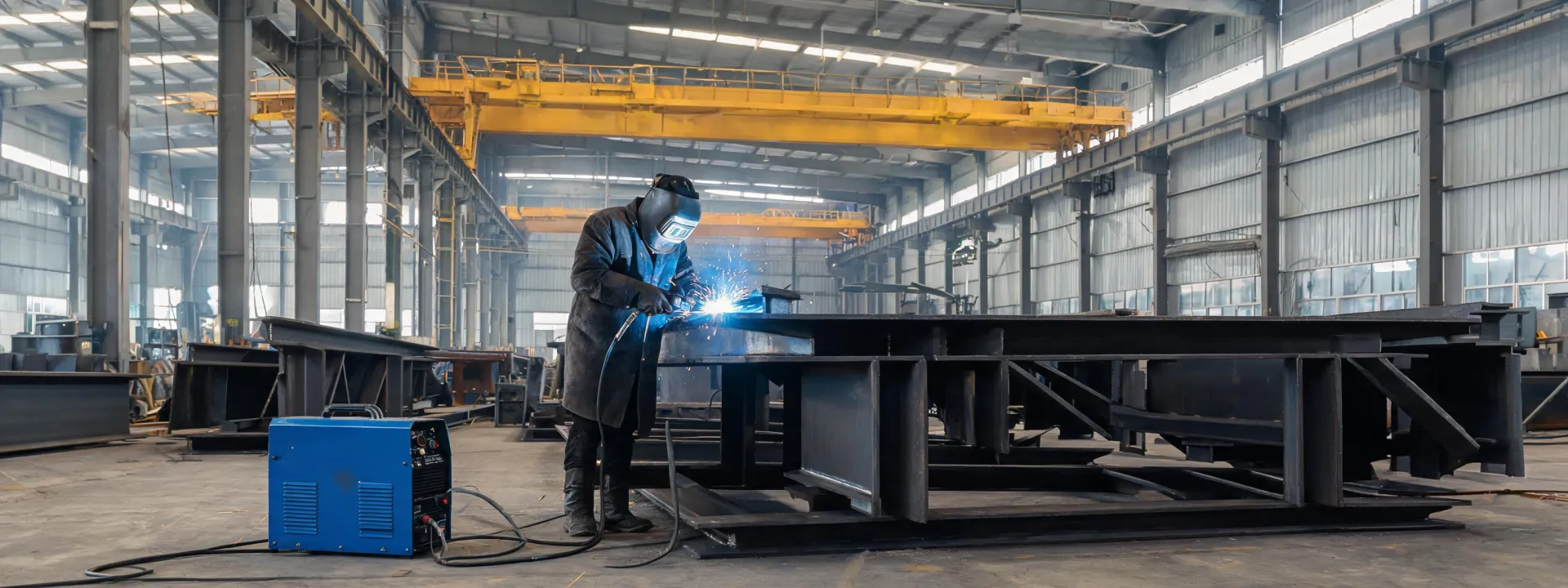
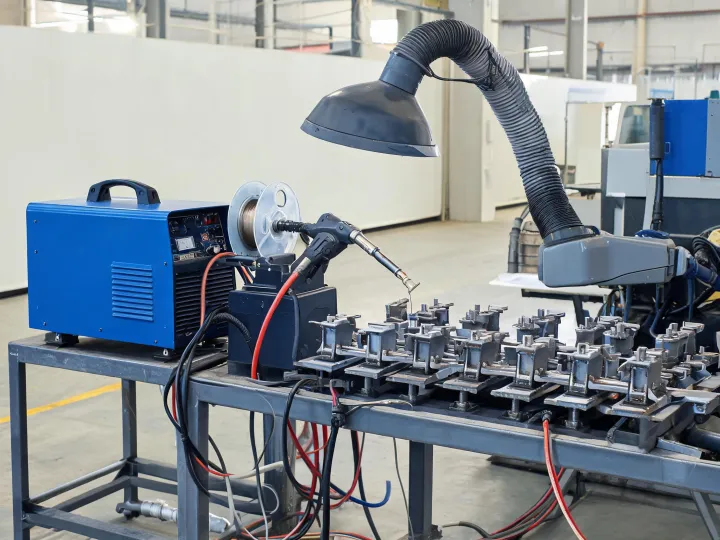
Welder joining a structural assembly in an industrial fabrication hall

APPLICATION ENVELOPES

Miller Electric welding equipment across six work environments

The process may share a name, but the input circuit, mobility, joint access, shielding and arc-on pattern change from one industry to another.

JOB CONTEXT

Match the machine to the work cell and its limits

These scenarios are selection frameworks, not performance claims. Final settings require the identified machine manual and a representative joint test.

MIG welding in a production fabrication cell

General fabrication

Repeated steel joints put wire-feed stability, feeder reach, gun rating and duty cycle ahead of maximum output alone. Background: a shift runs mixed fillets and short spray-transfer sequences. Method: document wire, gas, voltage, feed speed and arc-on pattern. Result: the approved setup is tied to the fixture and material range. Limitation: changing thickness or transfer mode triggers review.
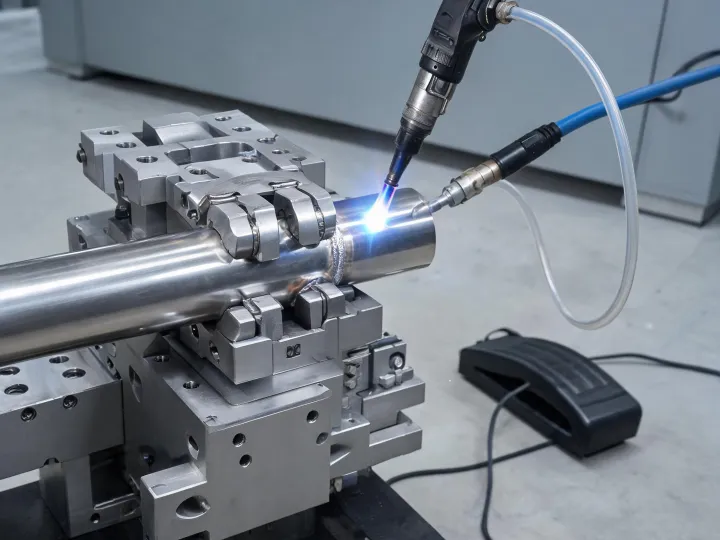
TIG welding stainless tubing in an aerospace fixture

Aerospace and precision work

Heat input, arc start and shielding control dominate thin-section stainless and nickel work. Background: accessible bench joints require a narrow thermal window. Method: qualify torch, cup, gas flow, tungsten and pulse settings on the actual thickness. Result: the setup sheet preserves the test condition. Limitation: restricted access and purge requirements may change the equipment package.

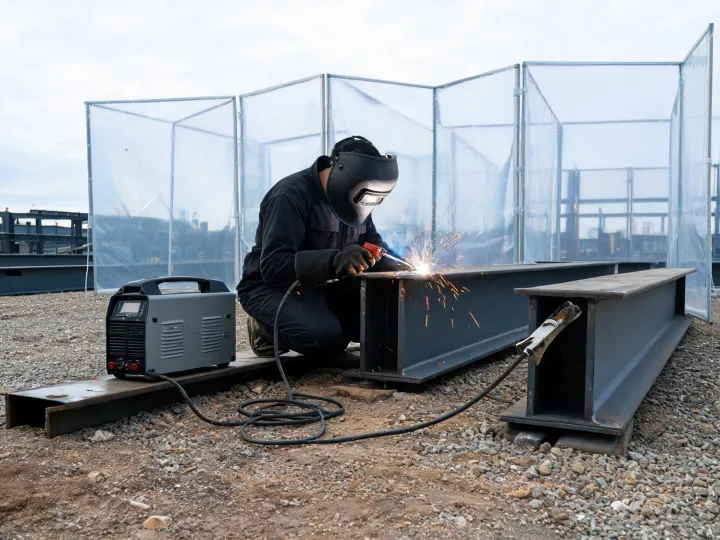
Field stick welding on structural steel

Construction and field repair

Portability and electrode behavior matter when the joint is far from shop power. Background: structural repair is exposed to lead length and weather. Method: confirm generator output, electrode class, polarity, cable size and wind controls. Result: mobilization includes the correct leads and consumables. Limitation: gas-shielded processes lose stability in wind without effective screening.

Shipyard welder working on heavy plate

Shipbuilding and heavy plate

Long leads, confined access and sustained deposition alter the equipment decision. Background: heavy seams require staged work and controlled access. Method: compare voltage drop, feeder placement, thermal load and fume extraction. Result: the process package is planned around the work zone. Limitation: enclosure and cable routing must not compromise cooling or safe egress.

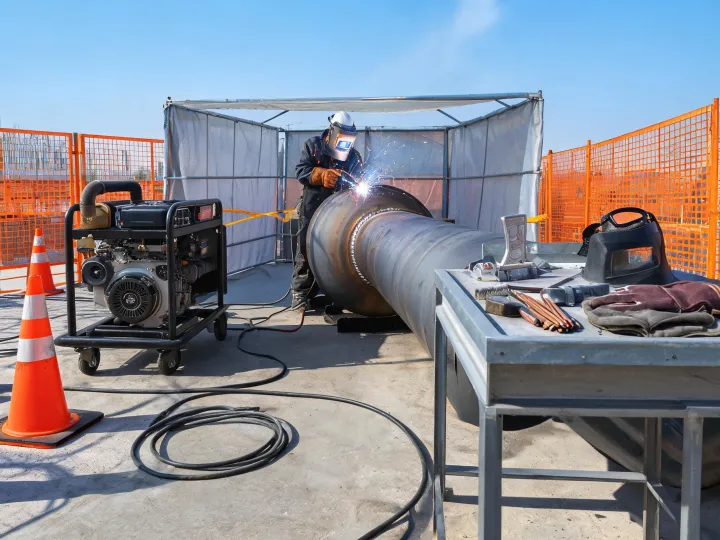
Pipeline welding spread in a controlled outdoor work area

Energy and pipeline work

Remote power, electrode control and inspection hold points drive the field setup. Background: the joint sequence follows a qualified procedure. Method: verify generator loading, electrode storage, polarity, output control and ambient limits. Result: the machine configuration supports the procedure envelope. Limitation: this equipment review does not replace procedure qualification or project inspection requirements.

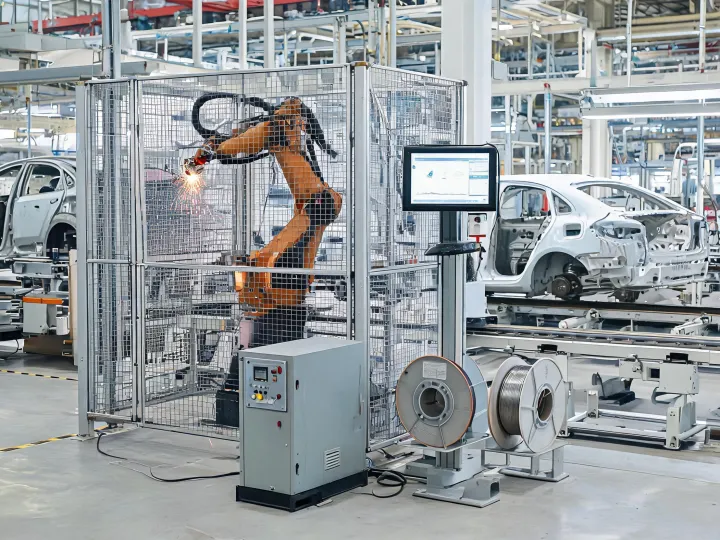
Robotic welding cell in automotive manufacturing

Manufacturing automation

Integration depends on repeatability, I/O behavior, feeder capacity and recovery from process interruptions. Background: a guarded cell runs scheduled parts with traceable recipes. Method: validate communication, torch access, consumable life and fault response. Result: production release includes a known-good coupon and recovery checklist. Limitation: robot reach and fixture tolerance can constrain results independently of the power source.

6application envelopes
4process variables recorded
3release evidence stages
1manual revision checked

Describe the application envelope

Include material, thickness, process, position, location, power and expected arc-on time.